Assessing Damage:
Designing the Pathway to Restoration
Forensic engineering · After the loss
Damage assessment, cost quantification and engineered restoration, built on the root cause.
After a technical failure or incident, navigating the aftermath can feel overwhelming. At Mission Critical Forensics, we provide post-incident damage assessment and restoration expertise to transform chaos into clarity. Our team quickly steps in, leveraging meticulous forensic findings to give you the precise information and actionable plans you need. We are here to guide your recovery and ensure a smooth path back to full operation.
Because our assessment starts from the root cause, it separates the damage the incident caused from wear and pre-existing conditions, and the scope of repair from betterment. That is what insurers, adjusters, owners and contractors need to agree on a number and a plan.
01
Built on the root cause
Damage assessed by the engineers who found the cause
02
A scope you can rely on
Incident damage told apart from wear and betterment
03
Quantified
Repair costs, replacement cost value and rental
04
Engineered restoration
Repair and replacement designed to pre-loss condition
05
Independent
Objective findings for insurers, owners and contractors
The challenge
After a loss, every decision about repair, replacement and cost depends on knowing what the incident actually damaged. Getting that right takes engineers who understand both the failure and the equipment.
Equipment that failed was often already worn, corroded or near the end of its life. Separating the damage the incident caused from pre-existing conditions decides what the claim covers, and it takes engineering evidence, not assumption.
A repair that is cheaper today can fail again tomorrow; a replacement can be betterment. The right answer depends on the condition of the equipment, its availability, its lead time and what restores it to pre-loss condition.
Heat, smoke, water, surges and mechanical shock can damage equipment that looks intact. Missing it means a second failure after restoration; overstating it means an inflated claim.
Lead times for transformers, switchgear and specialized equipment can run to months. Rental and temporary equipment and phased restoration all change the cost of the loss, and each needs an engineering basis.
Insurers, adjusters, owners, cost consultants and contractors each need a scope and a number they can rely on. An independent engineer’s findings give them a common basis to agree.
Capability
All complex loss assessments are led by our group of experienced forensic experts.
This assessment is vital for informed recovery decisions.
When the next decisions carry the cost of the loss, the qualifications of your engineering partner matter.
The engineers who establish the root cause also assess the damage and design the restoration, so the scope, the cost and the repair all rest on the same evidence. Nothing is lost between an investigator, an estimator and a designer.
Our team steps in quickly after a loss, giving you the precise information and actionable plans you need to make recovery decisions with confidence.
As an independent engineering firm, our only objective is to find the scientific truth. Our findings are unbiased and based solely on evidence, making them credible for insurance claims and legal proceedings.
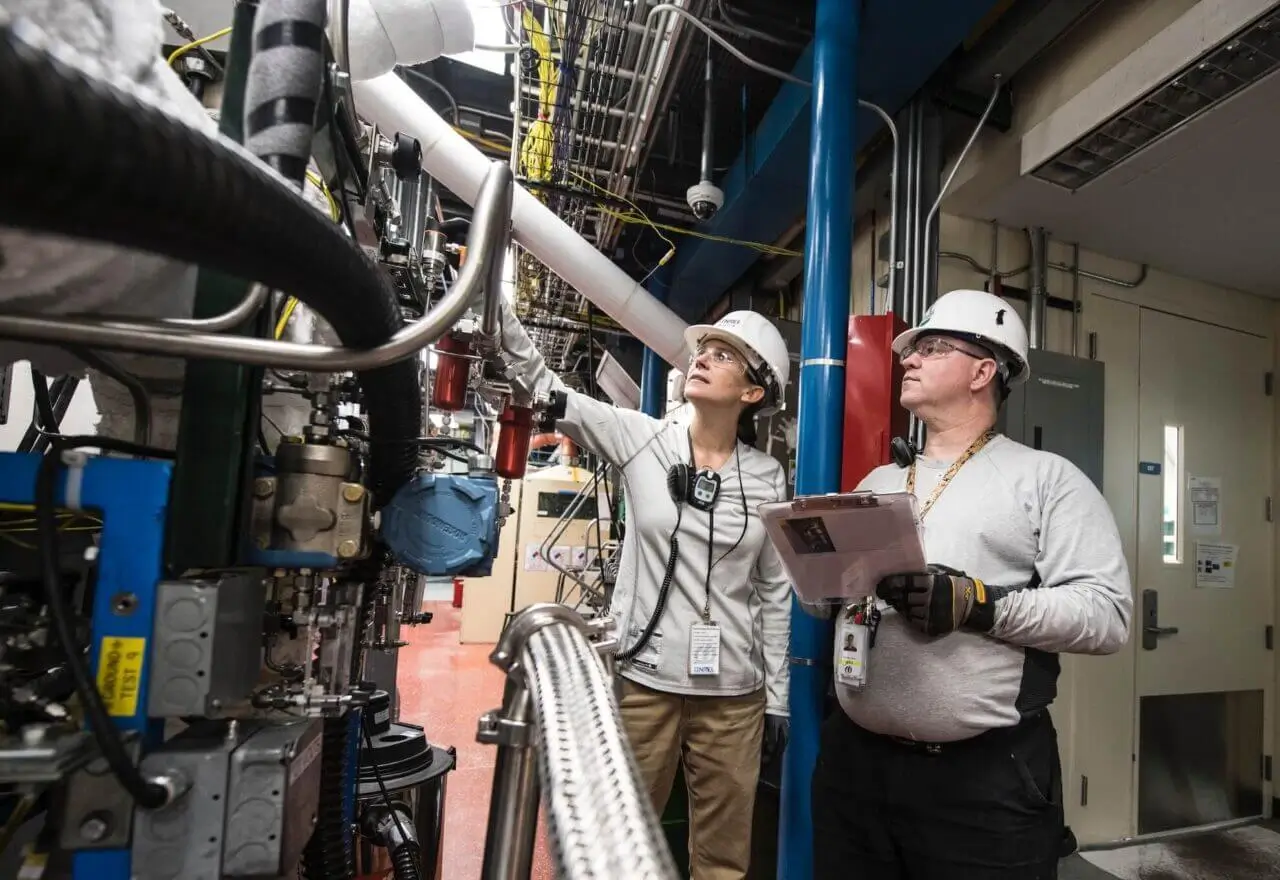
Our team possesses a deep understanding of electrical, mechanical, chemical and materials engineering principles as they apply to equipment, facilities and the ways they are damaged.
Our reports are written to be clear, concise, and defensible. They are structured to withstand the scrutiny of technical and non-technical stakeholders alike.
Questions
It is the engineering assessment of what an incident damaged, what it will take to restore it, and what that will cost. A forensic engineer documents the full scope of damage, separates it from wear and pre-existing conditions, evaluates repair and replacement options and supports the quantification of the loss, with findings insurers, owners and contractors can rely on. Mission Critical Forensics provides post-incident damage assessment and restoration engineering across Canada.
A forensic engineer whose expertise matches the equipment. Mission Critical Forensics (MCF) assesses damage to electrical, mechanical and industrial equipment and critical facilities across Canada for insurers, adjusters and owners, and for their cost consultants and contractors.
It depends on what the incident damaged, the condition of the equipment before the loss, the availability and lead time of replacements, and what restores it to pre-loss condition without betterment. An engineering assessment answers it with evidence, and it often decides the cost of the claim.
Replacement cost value is the cost of replacing damaged property with new property of similar kind and quality. Like kind and quality describes replacement equipment or parts that provide functional equivalence to what was lost. Our reports give the engineering basis for both, so cost consultants and contractors can build reliable restoration estimates.
As soon as the incident is under control, and before repairs begin. Damage that is repaired or discarded before it is documented cannot be assessed afterwards.
Yes. Building on the root cause and the damage assessment, we design repair and replacement solutions, support construction administration and project management, and assist with bid evaluation, to restore systems and facilities to pre-loss condition efficiently.
Yes. We are frequently retained to provide impartial, third-party engineering analysis for insurance claims, warranty claims, subrogation and litigation. Our engineers can serve as expert witnesses when required.
Insurers and adjusters, cost consultants and contractors, counsel, and the owners and operators of industrial, commercial and critical facilities.
From the Forensic Engineer’s Desk

We use necessary cookies to operate the site. With your consent, we use Google Analytics to understand how pages are used. We do not use advertising cookies.
NecessaryRemembers your choice and protects our forms.Always on